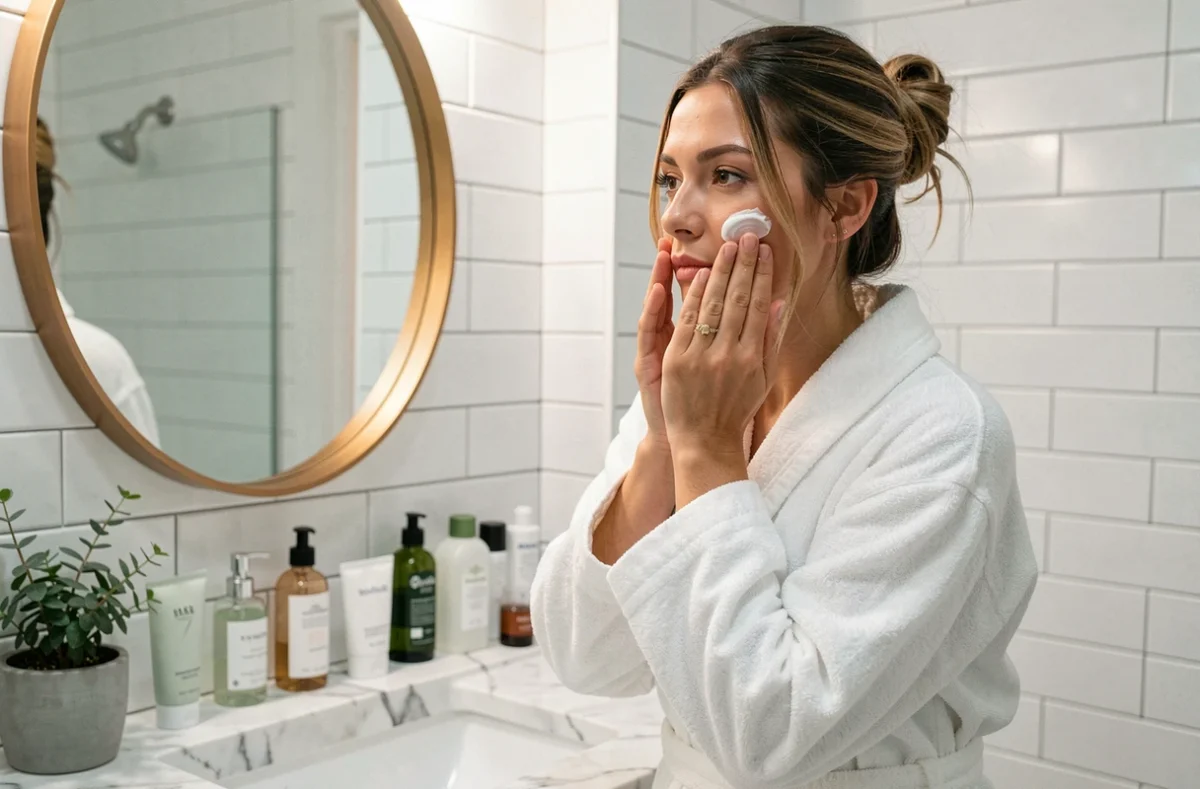
The quality of a beauty routine is not measured by the number of products lined up on a shelf, but by the precision of the gestures and the relevance of the chosen active ingredients. Enhancing your beauty daily relies on skin, hair, and cosmetic mechanisms that are better understood before applying anything.
Daily Sun Protection: Beyond SPF
The SPF only covers part of the ultraviolet spectrum. We still observe too many routines that limit themselves to a high index without checking for UVA protection. UVA rays penetrate deeper into the dermis, accelerate photoaging, and degrade collagen without causing visible sunburn.
The European Commission published recommendations in September 2026 to harmonize the evaluation of UVA protection in addition to SPF. This framework encourages manufacturers to display more reliable data, verified during coordinated control campaigns at the European level.
Another notable development: sunscreen protection tests are moving towards methods without human volunteers. Manufacturers are encouraged to prioritize these in vitro methods when available. This ethical criterion is becoming a tangible lever for selecting a daily sun care product, beyond just the INCI composition.
We recommend systematically checking for the circled UVA logo on the packaging and favoring brands that communicate about their evaluation methods. A tinted face cream with broad-spectrum filter is a better alternative to a classic day cream followed by a separate sunscreen, reducing the number of layers on the skin.
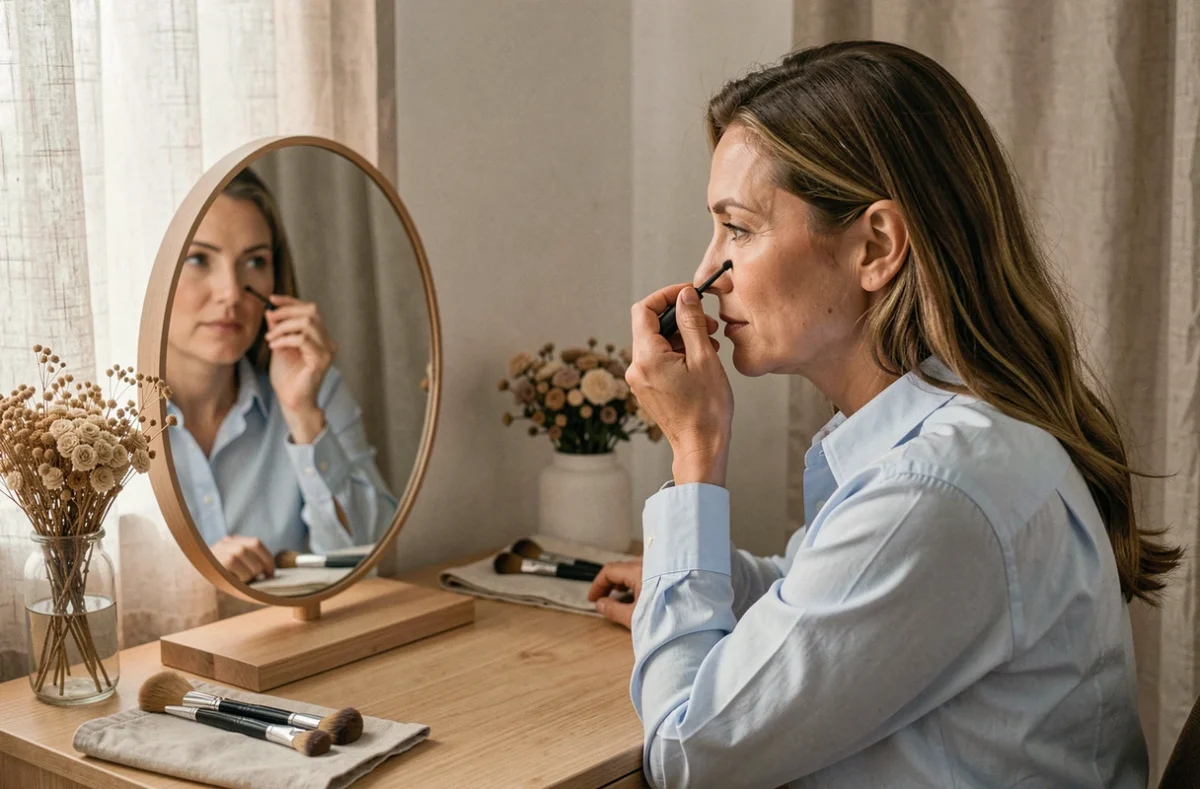
Facial Care Routine: Technical Gestures That Change the Result
Cleaning morning and night remains essential, but the application technique is as important as the product. Find beauty tips from Conseils Beauté to delve into each step of a routine tailored to your skin type.
Double cleansing (oil-based followed by water-based) in the evening removes sunscreen, oxidized sebum, and fine particles. In the morning, a simple rinse with lukewarm water or a hydrosol is sufficient to avoid stripping the hydrolipidic film reconstituted overnight.
Exfoliation: Frequency and Choice of Active Ingredient
Chemical exfoliation has replaced mechanical scrubbing in most professional protocols. AHAs (glycolic acid, lactic acid) act on the cohesion of corneocytes at the surface. BHAs (salicylic acid) are liposoluble and penetrate the pore, making them more suitable for combination to oily skin.
One to two applications per week are sufficient for most skin types. Beyond that, the skin barrier weakens, the complexion becomes reactive, and transepidermal hydration increases.
Serums and Targeted Actives
The order of application follows a simple rule: from the most fluid texture to the most occlusive. A water-based serum (vitamin C, niacinamide) is applied to slightly damp skin. An oily treatment or a rich cream seals everything in.
- Vitamin C in the morning: an antioxidant that neutralizes free radicals generated by UV and pollution, enhancing the effectiveness of the sunscreen.
- Retinol in the evening: stimulates cell renewal, refines skin texture, but requires a gradual increase in concentration to avoid irritation.
- Niacinamide (vitamin B3): regulates sebum production, reduces redness, compatible with almost all other actives.
- Hyaluronic acid: a humectant that captures water in the superficial layers, to be applied on damp skin to avoid the opposite effect in dry conditions.
Hair and Makeup: The Most Common Technical Mistakes
The scalp is an extension of the face. An overly detergent shampoo disrupts the scalp microbiome and triggers a compensatory overproduction of sebum. We recommend choosing a mild surfactant (coco-glucoside, decyl glucoside) and limiting washing to two or three times a week for most hair textures.
Conditioner should be applied to lengths and ends, never on the roots. A weekly mask with hydrolyzed proteins strengthens the fiber on colored or heat-damaged hair.

Makeup: Preparing for Longevity
A foundation does not hold on dehydrated skin. A makeup base (primer) creates a smooth surface and regulates sebum in the T-zone. The choice of primer depends on the desired result:
- Silicone-based primer to fill in enlarged pores and smooth fine lines.
- Hydrating primer for dry skin that feels tight under foundation.
- Mattifying primer with absorbent powders for oily skin, to be concentrated on the forehead, nose, and chin.
Eye makeup lasts longer with a dedicated eyeshadow primer, distinct from the face primer. Without this step, the eyeshadow migrates into the crease within hours, regardless of the product used.
Natural Products and Transparency: A Beauty Criterion That Has Become Technical
The term “natural” on a cosmetic does not have a unique regulatory definition. What matters is reading the INCI list and the traceability of the actives. Labels (Cosmos, Natrue) impose verifiable specifications on the percentage of naturally sourced ingredients and the prohibition of certain chemical processes.
Recent European recommendations on cosmetic evaluation methods also invite consumers to pay attention to the transparency of testing methods, not just the composition. A product whose manufacturer openly communicates about its validation protocols offers an additional guarantee that marketing promises are based on measurable data.
Enhancing your beauty daily is less about accumulating products and more about rigorous selection: a verified broad-spectrum sunscreen, actives suited to your skin type, and mastered technical gestures. The rest is superfluous.