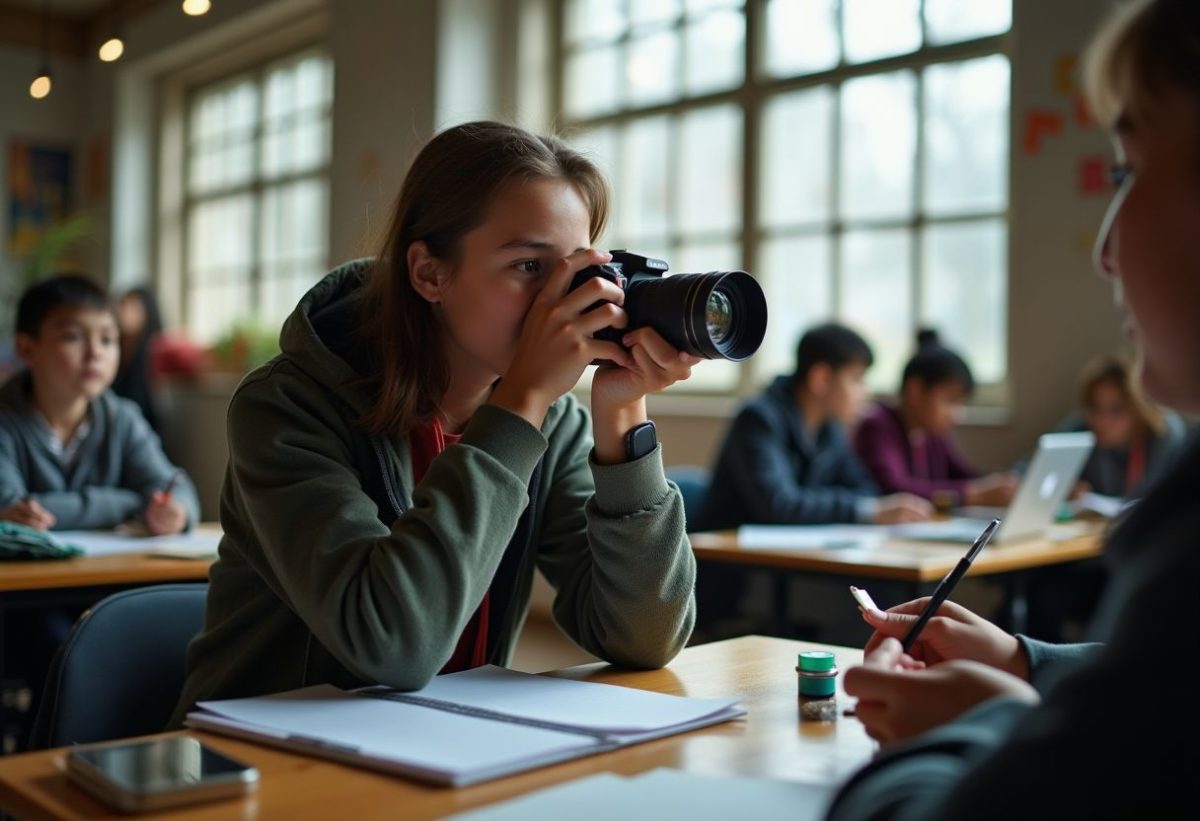
In a world where the image reigns supreme, photography is no longer just a simple hobby. It has established itself as a full-fledged profession, requiring sharp skills and rigorous training. For those wishing to dive into this artistic adventure while building a professional network, work-study training presents itself as an attractive option. Work-study offers a pedagogy based on direct practice, allowing students to combine theory and concrete application. This training path, favored by many aspiring photographers, raises an essential question: how long does this work-study photography training last and what are its real mechanics?
Understanding the concept of work-study in photography
Before committing to this path, it is essential to grasp what a work-study photography training entails. This formula combines theoretical teaching in a training center and professional practice in a company.
- Theory and practice: Students spend part of their time learning the fundamental concepts of photography in an academic setting. This includes courses on the history of photography, composition, digital retouching, and shooting techniques.
- Experience in the company: The other part of the training takes place in a company, where students apply their knowledge and gain experience. This allows them to familiarize themselves with the challenges of the professional world, adapt to client expectations, and work on concrete projects.
- Work-study rhythm: Generally, work-study rhythms vary, but a common formula is two days in the training center and three days in the company each week.
The typical duration of the training
The duration of a work-study photography training depends on various factors, including the level of qualification sought and the chosen training center.
For a BTS Photography, the duration is generally two years. This program offers a comprehensive approach, covering the basics of photography up to more advanced techniques. In contrast, if you opt for a CAP Photography, it can be completed in just one year. The latter is often considered a stepping stone for those who wish to quickly enter the job market.
There are also specific programs that can vary from six months to three years. They are often oriented towards specialties such as fashion photography or advertising photography.
The advantages and disadvantages of work-study
Like any training path, work-study in photography has advantages and disadvantages that should be weighed before committing.
- Advantages:
- Acquisition of real professional experience that enriches students’ CVs.
- Compensation during the training, even if modest, which helps finance studies.
- Networking: direct access to the professional world and a way to create future opportunities.
- Disadvantages:
- High demands: juggling between classes and work can be exhausting for some.
- Dependence on the training company: the quality of practical training greatly depends on the host company.
What are the prospects after the training?
The work-study photography training offers an excellent gateway to various photography careers.
Graduates can access various positions such as studio photographer, event photographer, or work for specialized magazines. Some choose to become independent, using the skills and network acquired during the training to build their own business. Others may continue their studies to specialize further, particularly in areas such as image retouching or artistic project management.
A work-study photography training is a rewarding option for those wishing to enter the world of imagery with significant professional experience. The duration of this training varies according to the level of qualification and the professional goals of each student, but it certainly offers a complete immersion in the field of photography.