In 2025, second-hand clothing accounted for 19% of apparel purchases by volume in France, according to a study by the Alliance du Commerce conducted with PwC Strategy& for DEFI and industry federations.
This figure changes how we view 2025 fashion trends: a garment that cannot be resold, repaired or worn for more than two seasons can hardly be called a standout piece. The styles making their mark this year stand out as much for their potential to circulate as for their runway appeal.
The real sustainability of 2025 fashion trends: beyond the marketing talk
When people talk about sustainability in fashion, it often sounds more like a sales pitch than a measurable technical criterion. Yet the distinction comes down to tangible factors: the strength of the seams, how well the fabric holds up in the wash, and whether a zipper can be replaced or a tear mended.
The Alliance du Commerce study notes that repairs reach at least the break-even point in more than 75% of the cases studied when indirect benefits, such as customer loyalty, are taken into account. Brands that offer in-store alterations are not doing so out of philanthropy: they see it as a documented way to build customer relationships.
Three practical criteria can help you decide whether a 2025 trend deserves a place in your wardrobe, beyond its seasonal appeal. A comprehensive overview of 2025 fashion trends on Valimero Fashion Addict also explores the year’s standout styles from this perspective.
- The quality of the main material: full-grain leather or merino wool knitwear is easier to repair and ages better than a thin synthetic fabric that pills after three washes.
- The garment’s construction: reinforced seams, replaceable buttons and a removable lining can extend a piece’s lifespan by several years.
- Resale potential: updated classic cuts (a structured trench coat, straight-leg high-waisted trousers) retain their value on the second-hand market, unlike ultra-seasonal pieces.

Leather and faux fur: two star materials with very different trajectories
Leather is one of the most prominent materials on the Fall/Winter 2025 runways. Fashion houses such as Balmain and Gabriela Hearst showcased it in structured cuts and soft blouses. Vegan leather is gaining ground, but its longevity varies depending on the manufacturing processes used.
According to the Alliance du Commerce study, the supply of quality second-hand clothing often falls short of demand. That’s a strong argument for investing in a leather jacket rather than a disposable trend piece.
Oversized faux fur, worn by designers such as Marina Serre and Elie Saab, presents a different problem. Visually striking, it wears out quickly from friction, is difficult to wash and loses its volume after a few seasons. Reselling it is more challenging: second-hand shoppers look for pieces that retain their original appearance.
Care and repair: the real test
There is no easy way to repair a faux-fur coat whose fibers have flattened. A scuffed leather jacket, on the other hand, can be treated by a shoe repairer and leatherworker for a few dozen euros. Repairability is what separates lasting trends from fleeting ones, yet this distinction is missing from most style guides.
Seasonal colors and cuts: what lasts and what fades
The dominant colors for Fall/Winter 2025 revolve around burgundy, forest green, ice blue and camel. They have one thing in common: none is a radical departure. Burgundy and camel have returned every fall for years, giving them a clear advantage when it comes to resale.
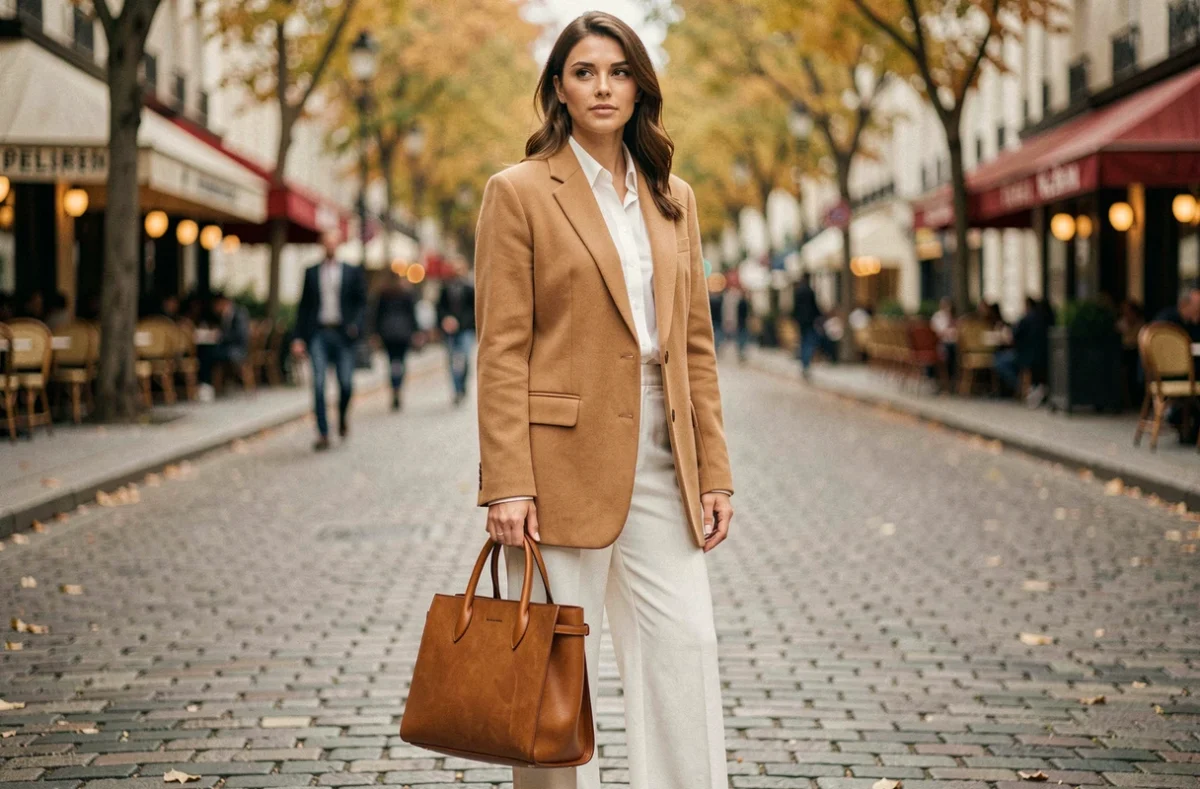
Classic colors in contemporary cuts offer the best balance between trendiness and longevity. Straight-leg, high-waisted camel trousers or a chunky forest-green knit sweater won’t look dated in March.
Oversized cuts, ubiquitous in 2025 (XXL sweaters, long cardigans, cocooning coats), raise a practical question. Their loose fit accommodates changes in body shape more easily, making them easier to resell or donate. However, a poorly made oversized garment (loose seams, fabric too thin for the volume) will quickly lose its shape.
Accessories: choose versatile pieces
Statement accessories (structured bags, wide belts, scarves in fine materials) are among the items that circulate best on the second-hand market. A grained leather bag or a thick leather belt can last for years without losing its appeal. Accessories strongly tied to a particular season (extreme geometric shapes, neon colors) lose their appeal as soon as the following spring.

European regulations and circular fashion: what will concretely change in 2026
The European Ecodesign for Sustainable Products Regulation (ESPR) provides for a ban on destroying certain unsold clothing, accessories and footwear for large companies from July 19, 2026. Textile-specific design requirements (durability, repairability) still need to be defined through dedicated acts: they are not set out in the framework regulation at this stage.
This regulation is prompting brands to rethink their stock and, by extension, their collections. Making more durable and repairable pieces is becoming an economic calculation, not just a marketing argument. In-store take-back schemes are also described as more effective than digital-only schemes for collecting items, encouraging the use of vouchers and combining new and circular purchases.
However, resale models run directly by brands remained marginal, accounting for less than 5% of apparel purchases by volume in 2025. Independent platforms still dominate the second-hand market. Choosing a trendy 2025 piece with its second life in mind therefore depends as much on the material and cut as on the brand itself.
Choosing your 2025 clothes by assessing their material, construction and resale potential turns an impulse purchase into an investment. The trends that last through the year are the ones that survive the first wash, the first alteration and their first listing on a second-hand platform.