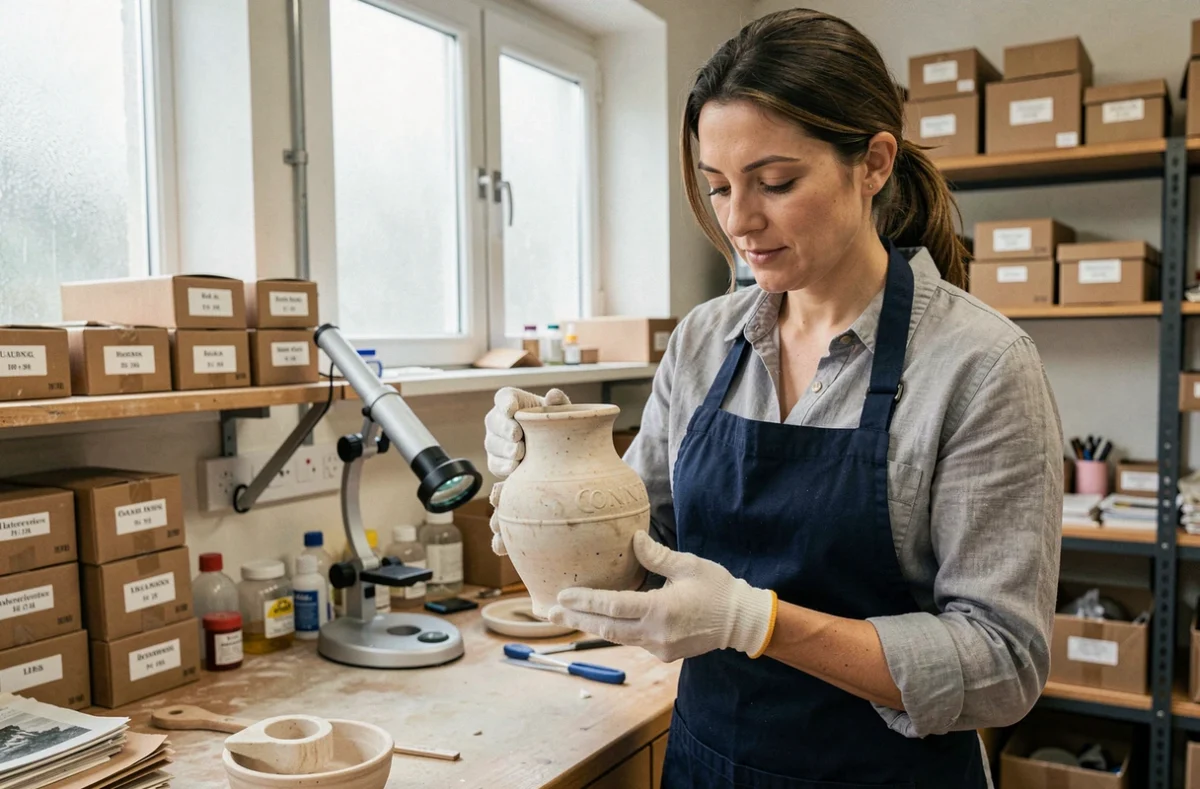
French museums employ a wide range of professionals whose roles extend far beyond preserving objects behind glass. Collections managers who monitor room conditions, documentation specialists who photograph and package fragile items, and project coordinators who incorporate ecological and digital transitions: these roles shape the day-to-day running of cultural institutions without ever appearing on exhibition labels. The sector also recruits beyond public institutions, including private companies that manage their own art collections.
Collections management: a museum profession spanning climate control, pests and emergency planning
Art registrars are often seen simply as people who pack and transport paintings. In reality, the role is more technical. A job posting from the Institut national du patrimoine links collections management to monitoring the climate in storage areas, integrated pest management and preparing emergency plans for cultural property.
Climate monitoring requires continuous checks of temperature and humidity in storage areas. A difference of just a few degrees or percentage points in relative humidity can accelerate the deterioration of certain organic materials. The collections manager coordinates readings, alerts curators and adjusts climate-control equipment.
Integrated pest management (for wood-boring insects and mould) involves precise protocols: pheromone traps, regular inspections and anoxic treatments. Exploring the behind-the-scenes world of cultural and museum professions reveals just how much the collections’ physical survival depends on these everyday tasks.
Preparing an emergency plan adds a risk-management dimension. The collections manager identifies priority works in the event of a fire or flood, defines evacuation routes and organises drills with security teams. Collections management combines preventive conservation, logistics and crisis management.
Collection audits and collection care projects: documentation, dusting and packing
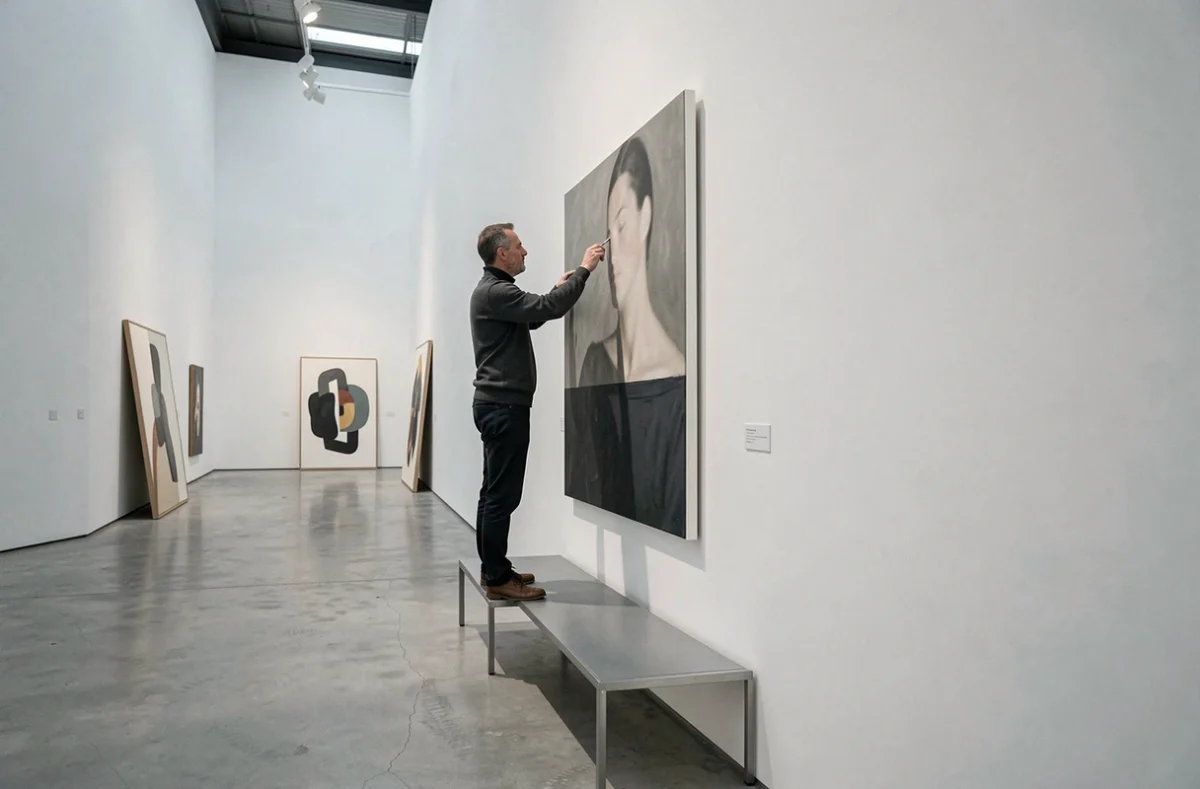
Collection audits, a legal requirement for museums in France, involve checking the presence and condition of every work listed in the inventory. A Mobilier national internship posting details the associated tasks: photographing objects, updating inventory records, condition reporting, dusting and packing.
This collection care project is about more than simply counting objects. Photographing a work for an audit requires a standardised protocol (lighting, colour scale and camera angle) so the image can serve as a reference if damage occurs later. Collection audits draw on both documentation skills and conservation techniques.
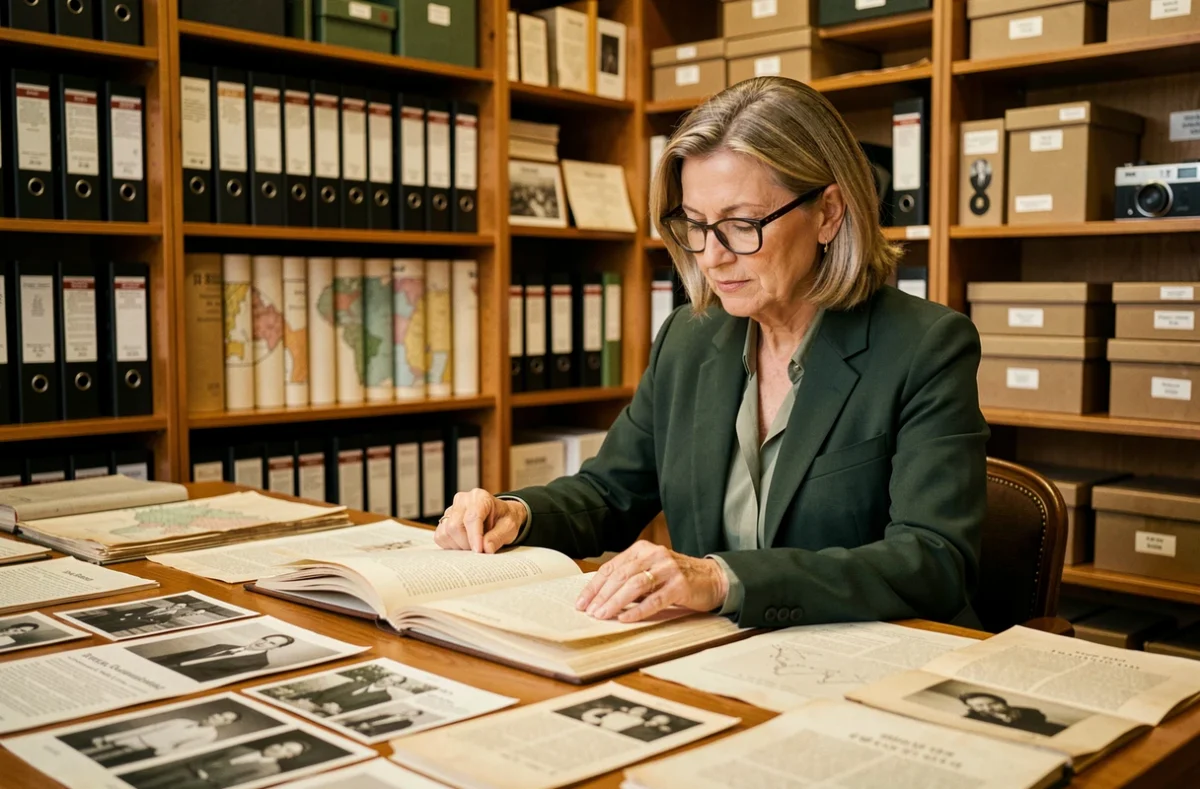
Updating inventory records often means working with old, handwritten and sometimes incomplete registers. Teams must cross-check written descriptions against the physical objects, correct attribution errors and complete digital records. This work directly feeds the databases that make collections accessible online.
How packing affects an artwork’s lifespan
Packing—the choice of cushioning materials, acid-free cardboard boxes and suitable textile covers—extends the lifespan of objects in storage. Poorly packed textiles develop permanent creases. Metal objects stored without humidity control corrode. Packing is an essential conservation measure, not an optional extra.
Cultural careers beyond public museums: corporate collections and private art registrars
Cultural professionals do not work exclusively in public institutions. A private company’s art registrar job posting describes the full management of a corporate art collection:
- Acquisitions and art market monitoring, in collaboration with gallery owners and auctioneers
- Preventive conservation and the movement of artworks between company sites, with condition reports completed at each move
- Ongoing inventory management and engagement with employees, helping them connect with the artworks displayed in their workplaces
This career path remains largely overlooked in museology training programmes. Employers seek candidates who combine knowledge of the art market, conservation skills and the ability to communicate with non-specialist audiences. Corporate collections offer a tangible career path for museum professionals.
Ecological and digital transitions: what the Cnam certificate reveals about the skills in demand
The Cnam’s “Culture and Creativity in Transition” certificate incorporates ecological and social transitions, digital change (including artificial intelligence and online practices), and the assessment of the environmental, economic and social impacts of cultural projects.
This programme reflects a broader trend. Museum professionals must now balance preservation, environmental impact and digital accessibility. Reducing energy consumption in climate-controlled storage areas while maintaining suitable conservation conditions presents a practical technical challenge, and most medium-sized institutions still lack the data needed to address it.
Hybrid roles and collections managers
Some collections manager positions require professionals to oversee inventory, research, conservation, exhibitions and building maintenance at the same time, while also coordinating a team. These roles go beyond expertise in the objects themselves and call for project management, budget coordination and leadership skills.
What is still unclear is the true scale of recruitment for these roles: vacancies advertised on specialist platforms represent only a fraction of positions filled, with a significant number secured through referrals or internal competitions.
The cultural sector is training specialists who no longer fit the image of a curator working alone in storage. Museum professions have diversified into technical, documentation, logistics and management roles, each with its own skills framework. This specialisation makes career paths harder to navigate, but the roles themselves more concrete.