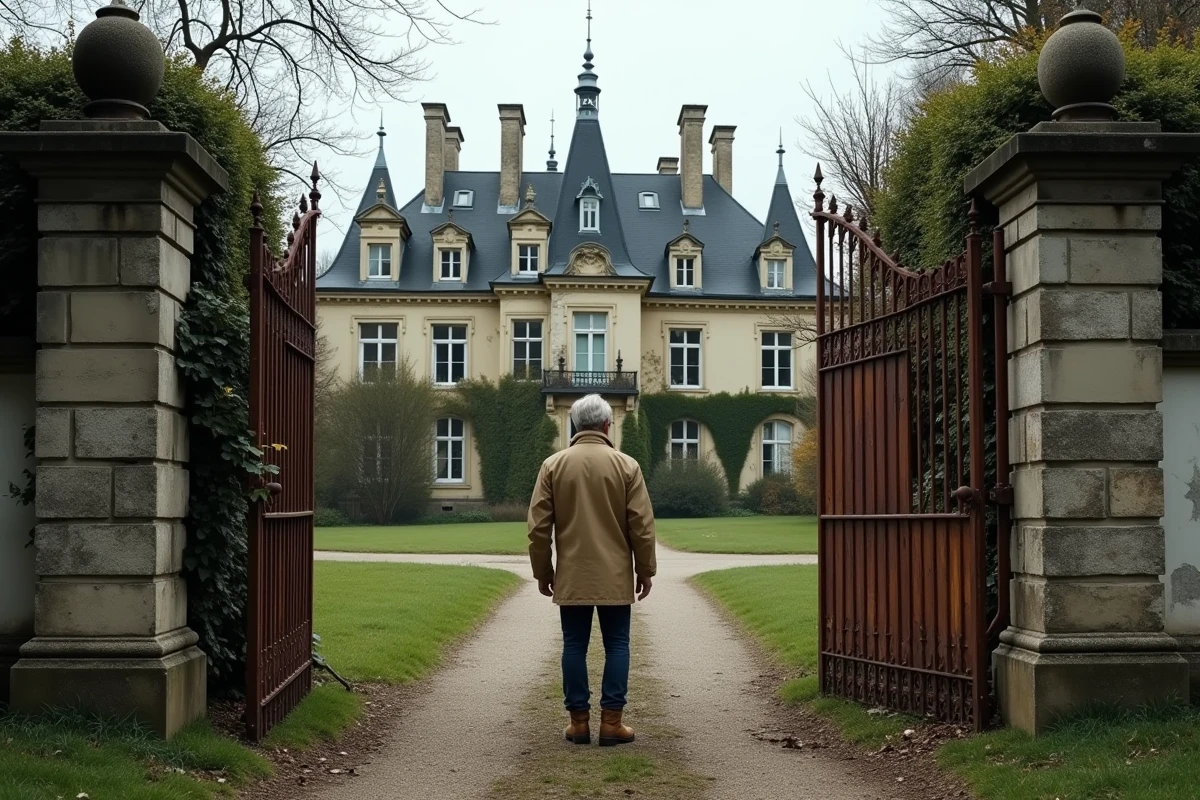
A castle sold for a symbolic euro does not actually cost one euro. The displayed purchase price conceals a complex legal operation, accompanied by restoration clauses, imposed deadlines, and penalties for non-compliance. Before signing, the precise qualification of the transaction by a notary conditions the entire subsequent project.
Conditional transfer: the real legal nature of the sale for 1 euro
A classic real estate purchase transfers full ownership without restrictions on use. The sale of an abandoned castle for one euro works differently: it is a transfer under suspensive or resolutory conditions. The seller, often a local authority, imposes specific restoration obligations, a work schedule, and sometimes a designated use for the property (opening to the public, tourist accommodation, cultural activity) in the notarial deed.
If the buyer does not comply with these clauses, the sale can be annulled or financial penalties applied. The property then reverts to the seller without reimbursement of the sums invested. Having the operation qualified by a notary specialized in heritage real estate law, before any promise, allows for a precise understanding of the implications of each clause.
In this type of case, spotting warning signs about a castle abandoned for a symbolic euro helps avoid discovering irreversible commitments too late.
Historic Monument constraints and protected perimeter: what hinders the work
Most castles offered for one euro are classified or listed as Historic Monuments. This protection means that any modification to the structure requires prior authorization from the Regional Directorate of Cultural Affairs (DRAC). The materials, restoration techniques, and even colors are regulated.

A castle located in a protected perimeter, near another classified monument, adds an extra layer of constraints. The Architect of Historical Monuments must validate any project, including outdoor modifications. These procedures extend timelines by several months and increase the cost of work compared to standard renovations.
A common pitfall: buying without consulting the DRAC or checking the protection perimeter, only to find that the proposed conversion project is incompatible with architectural prescriptions. Regulatory feasibility should be verified before signing, not after.
Charges related to classification: ongoing obligations
A classified building imposes continuous maintenance obligations, even in the absence of an immediate restoration project. The owner cannot allow the building to deteriorate without risking a formal notice. This responsibility begins as soon as ownership is transferred.
Actual cost of an abandoned castle: diagnostics, securing and structural emergencies
The acquisition budget for a castle at one euro focuses on three immediate areas, well before any aesthetic renovation:
- Comprehensive technical diagnostics: condition of the framework, roofing, foundations, presence of asbestos or lead, condition of electrical and sanitary networks. For a building of several hundred square meters abandoned for years, these diagnostics alone represent a significant budget.
- Securing the site: shoring up weakened structures, covering the roof to stop leaks, securing access points. Each month of waiting worsens the degradation and increases the final bill.
- Emergency work on the framework and roofing: the roof is the first unavoidable expense, as without it, the rest of the building deteriorates rapidly. On a castle, the roof area is considerable, and the materials required by the classification cost more than standard materials.
Sensationalist ads rarely mention these immediate costs. The displayed price of one euro diverts attention from the actual budget, which amounts to hundreds of thousands of euros at a minimum to stabilize the building.
Application file: proving the project’s solvency, not enthusiasm
Public sellers do not transfer a castle to just any candidate. The selection process relies on the technical and financial credibility of the proposed project. A selected file generally includes:
- A detailed projected budget for the work, phase by phase, with quotes or estimates from professionals in historic buildings
- A realistic restoration timeline, compatible with the deadlines imposed in the transfer deed
- Financial guarantees: personal contribution, bank loans obtained or in progress, potential grants identified from the Heritage Foundation or the DRAC
- A usage project consistent with the expectations of the selling community (tourism, cultural or economic benefits for the area)
A file without proof of financing will be rejected, regardless of the project’s appeal. Communities seek certainty of execution, not a statement of intent.
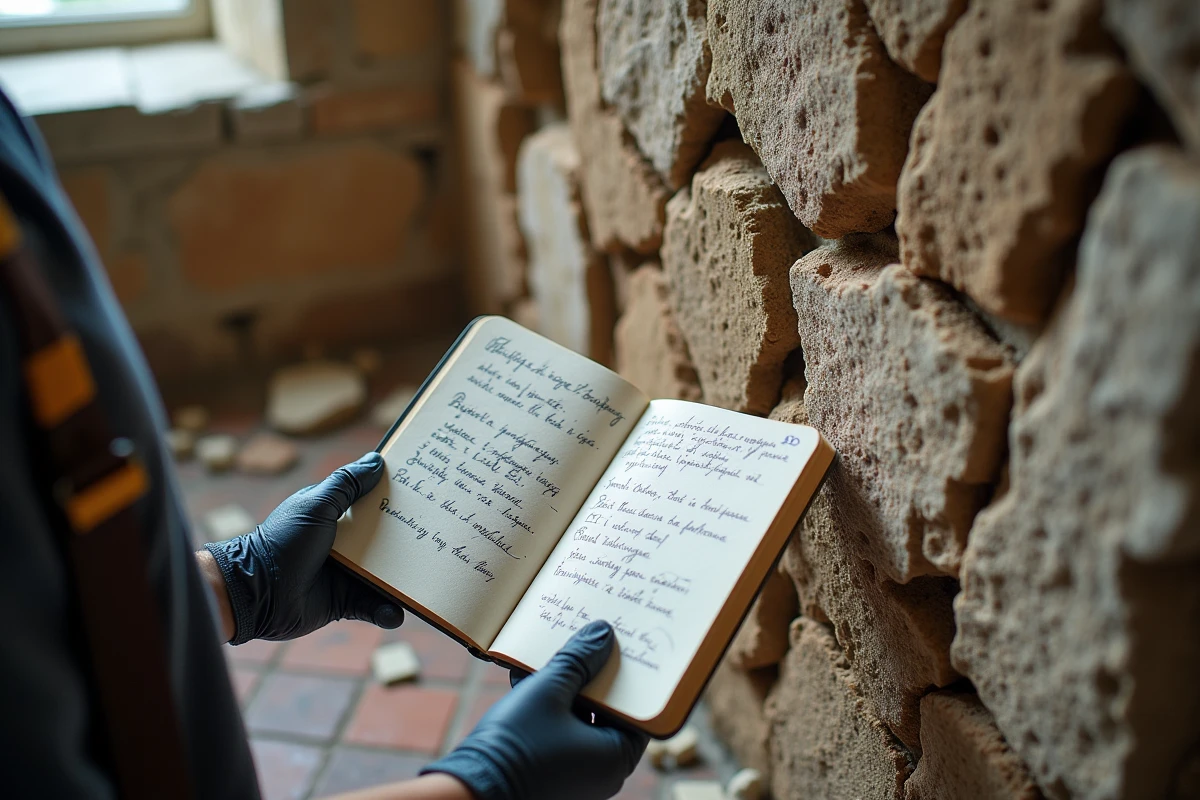
Grants and aids: a conditional lever
There are aids available for the restoration of classified or listed monuments, but they are paid after the work is completed and upon submission of receipts. They only cover a fraction of the total cost. Relying on grants to complete initial financing is a common misstep.
Acquiring a castle for one euro remains an atypical real estate operation where the purchase price represents only a negligible part of the total commitment. Legal clauses, heritage constraints, security costs, and the requirement for solvency form a set of concrete pitfalls. Having the property and contract audited before any signature remains the only precaution that truly protects the buyer.