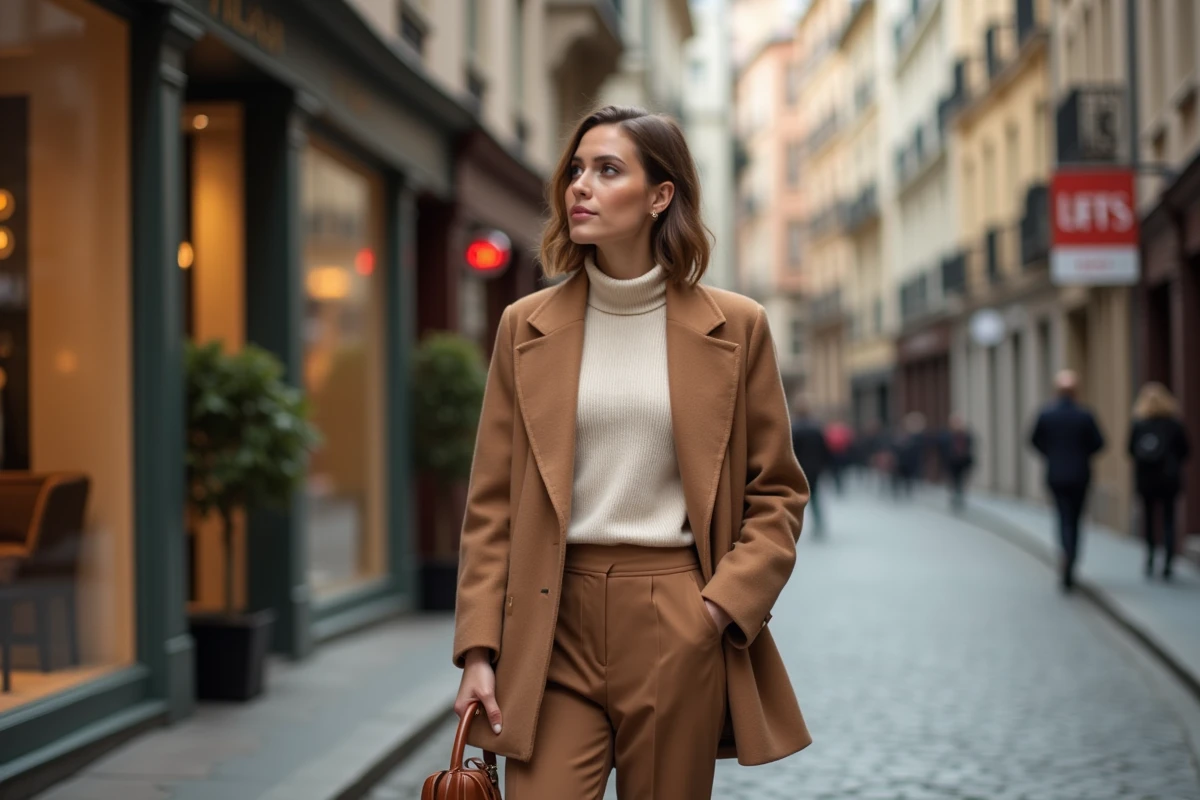
Each new season prompts a reconsideration of the contents of your wardrobe. The spring-summer 2026 fashion trends are not just a list of colors or cuts: they reflect a deeper change in the way we consume clothing. Vintage, sustainability, and data from social networks are reshaping what “being trendy” truly means this season.
Second-hand and vintage: the true driving force behind fashion trends 2026
Have you noticed that online thrift stores have never showcased as many pieces labeled “vintage”? This is no coincidence. Pinterest has seen a significant increase in searches related to second-hand clothing since early 2025, primarily driven by Generation Z (ages 18-24).
This phenomenon is changing the very nature of trends. Previously, a trend would start on a runway and trickle down to mass retail. Today, vintage is becoming the gateway to seasonal trends. You spot a cut or a pattern in a thrift store, and then it gets validated on the runways a few months later.
The most striking example this season: fur. FashionUnited highlights its strong comeback in looks, but almost exclusively through vintage pieces. New fur remains controversial, while upcycled fur is seen as ethical and sustainable. The result: fur is worn as a stylistic statement, not as a classic luxury purchase. To closely follow these movements, you can visit the Pop Shot website, which regularly covers these developments.
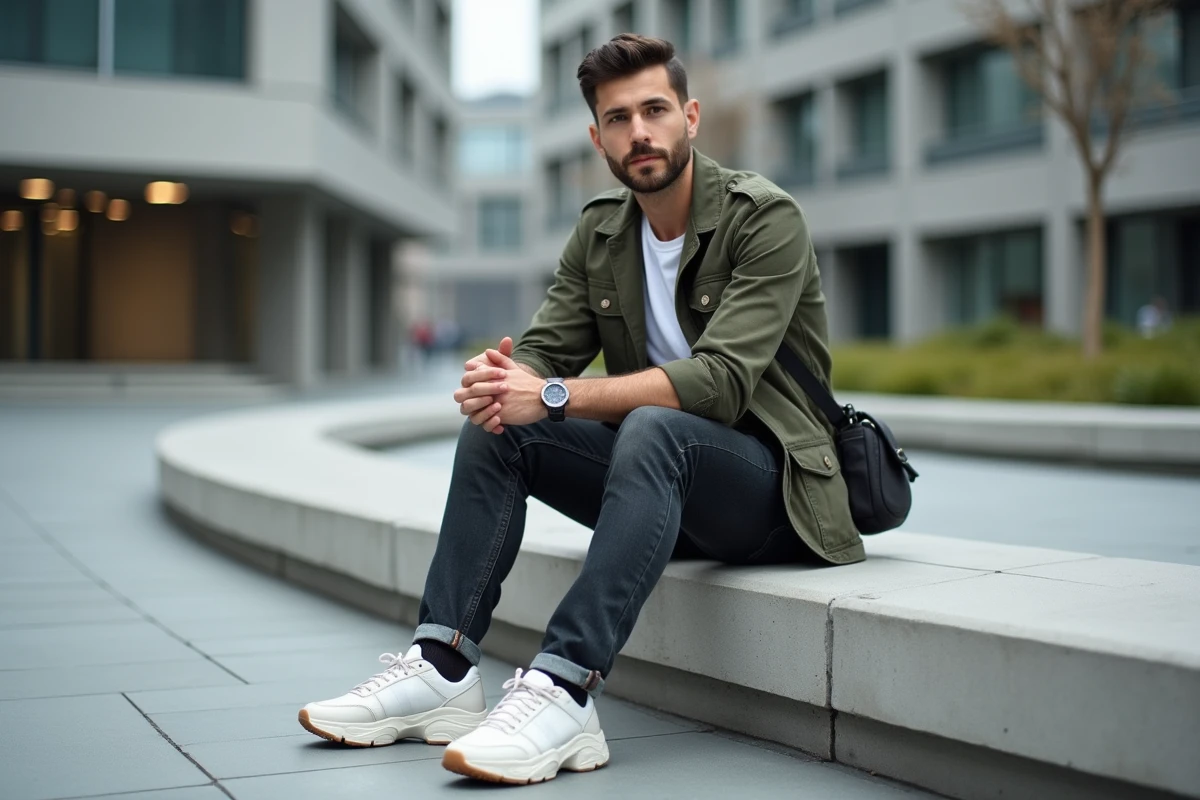
Investment dressing: buying fewer pieces but more durable ones
The term “investment dressing” is increasingly appearing in fashion analyses this season. The principle is simple: instead of buying ten disposable pieces each season, one invests in a few quality basics that will last for years.
This shift is not just marketing talk. It translates into concrete choices in the spring-summer 2026 collections. Brands are highlighting versatile pieces that can be worn in multiple contexts.
Here are the criteria that define an “investment” piece this season:
- A cut that does not depend on a micro-trend (structured wide-leg pants rather than an ultra-specific model that will be out of style by October)
- A fabric whose weight and composition allow for use over multiple seasons, not just one summer
- A color that is neutral enough or bold enough to fit into an existing wardrobe without requiring a complete overhaul
A reduced but coherent wardrobe replaces the logic of constant renewal. This approach is cheaper in the long run and simplifies daily choices.
Trendy colors and cuts for women for spring-summer
This season’s palette favors shades that are both vibrant and wearable. We see butter yellow, already spotted on social media for several months. Olive green and sky blue complement a range that avoids aggressive neon while breaking the monotony of neutrals.
The long, flowing dress remains a safe bet. Seen at Loewe, Miu Miu, or Saint Laurent, it embodies what the collections call “poetcore”: a soft, elongated silhouette worn without superfluous accessories. Paired with minimalist shoes, it works just as well for daytime as for evening.
Structured wide-leg pants establish themselves as the counterpoint to the dress. Their cut offers comfort without sacrificing style. A coordinated outfit (top and bottom in the same fabric or shade) simplifies the creation of a look while giving an impression of a well-thought-out style.

Expressive accessories rather than discreet ones
Brooches, patterned bags, and visible jewelry are taking precedence over the minimalist accessories that dominated previous seasons. The accessory becomes the piece that personalizes a basic, not just a simple complement.
This aligns with the logic of investment dressing: if you own five quality neutral pieces, it’s the accessory that changes your style from day to day.
How Pinterest and data shape fashion trends
Wondering where these lists of “pieces to adopt this season” come from? Increasingly, they are derived from data reports. The Pinterest Predicts report, published annually, deciphers trending clothing based on searches on the platform.
Fashion training and consulting players are now structuring their forecasts based on this data. Trends no longer only descend from runways to the streets: they also rise from user searches to creators.
This circuit alters the fashion calendar. A trend spotted on Pinterest in January can appear in stores as early as March, without waiting for the next Fashion Week. For consumers, this means it becomes possible to anticipate which pieces will become essential before they are everywhere.
- Butter yellow appeared in Pinterest searches several months before dominating the spring-summer 2026 displays
- The oversized sweater, identified as an emerging trend at the end of 2025, is found in the majority of selections this season
- Thrift looks gained visibility on the platform long before magazines incorporated them into their features
This season marks a turning point: usage data weighs as heavily as creative intuition in defining trends. Following fashion in 2026 also means reading the weak signals from platforms before heading to the store. Style is now built as much online as in fitting rooms.